Construction and infrastructure projects use different types of paint based on the surface, application and performance requirements. Common options include emulsion paints for walls and ceilings, exterior paints for façades, enamel paints for wood and metal, primers for surface preparation, and specialised coatings for industrial and protective applications.
This guide covers the key paint types, their typical applications, and how to select the right coating for different project requirements.
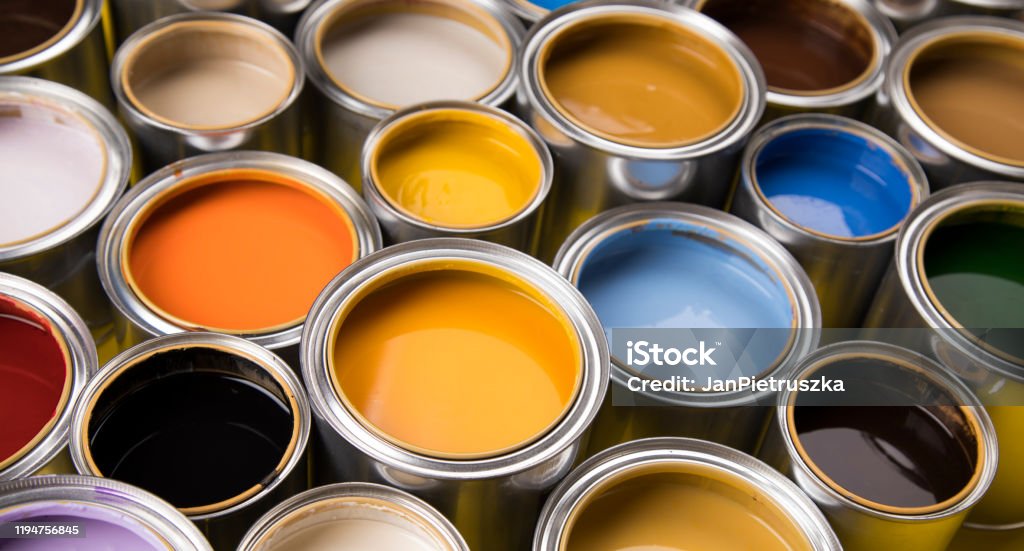
Understanding Paint Types in Construction and Infrastructure
While some products are designed primarily to improve appearance, others protect substrates or deliver specific performance characteristics.
The difference between different types of paint often comes down to their composition, intended substrate and performance requirements.
1. Decorative coatings: Primarily used to improve the appearance of walls, ceilings and other surfaces through colour, texture and finish.
2. Protective coatings: Designed to help substrates withstand conditions such as moisture, corrosion, abrasion and chemical exposure, depending on the formulation.
3. Speciality coatings: Developed for particular requirements, including waterproofing, industrial flooring and infrastructure protection.
Understanding these categories provides a useful starting point for choosing suitable paint types for buildings and infrastructure assets.
What Are the Different Types of Paint Used in Construction?
Construction projects use a range of paints and coating systems for different surfaces and performance requirements.
Types of Paints
Emulsion, enamel, cement and texture paints provide decorative and protective finishes
1. Emulsion Paint
Emulsion paint is commonly used on interior walls and ceilings, with exterior variants available for suitable outdoor applications. It offers a range of colours and finishes, making it a popular option for residential, commercial and institutional buildings.
The choice between interior and exterior emulsion depends on the product specification, substrate and exposure conditions.
2. Enamel Paint
Enamel paint is used where a hard-wearing finish is required, particularly on suitable metal and wood surfaces such as doors, window frames, railings and fixtures.
Depending on the formulation, it can provide a smooth, glossy or other specified finish. Proper cleaning, preparation and priming are important for adhesion and finish quality.
Our Recommendation: For wood and metal surfaces requiring a smooth, durable finish, Birla Opus Prime N53 Synthetic Enamel can be used on suitable doors, window frames, railings and other fixtures.
|
3. Cement Paint
Cement paint is used on suitable cementitious and masonry surfaces, including some exterior walls. It contributes to the building's finished appearance while providing a coating suited to the specified substrate.
4. Texture Paint
Texture paint adds pattern, depth and dimension to a surface, creating finishes that go beyond a conventional smooth coat. It is used in architectural applications such as feature walls, façades and selected interior or exterior surfaces. The texture, application method and suitability for indoor or outdoor use depend on the product formulation.
Other Coating Systems
Primers prepare surfaces for painting, while epoxy, polyurethane and waterproofing coatings address specific performance requirements.
Primer
Primer is a preparatory coating applied before the finishing coat. It helps improve adhesion, promotes a more uniform surface and can seal porous substrates or address specific surface conditions.
Different primers are formulated for masonry, concrete, metal and wood. Selecting the appropriate primer and preparing the surface correctly helps the subsequent coating perform as intended.
Epoxy Coatings
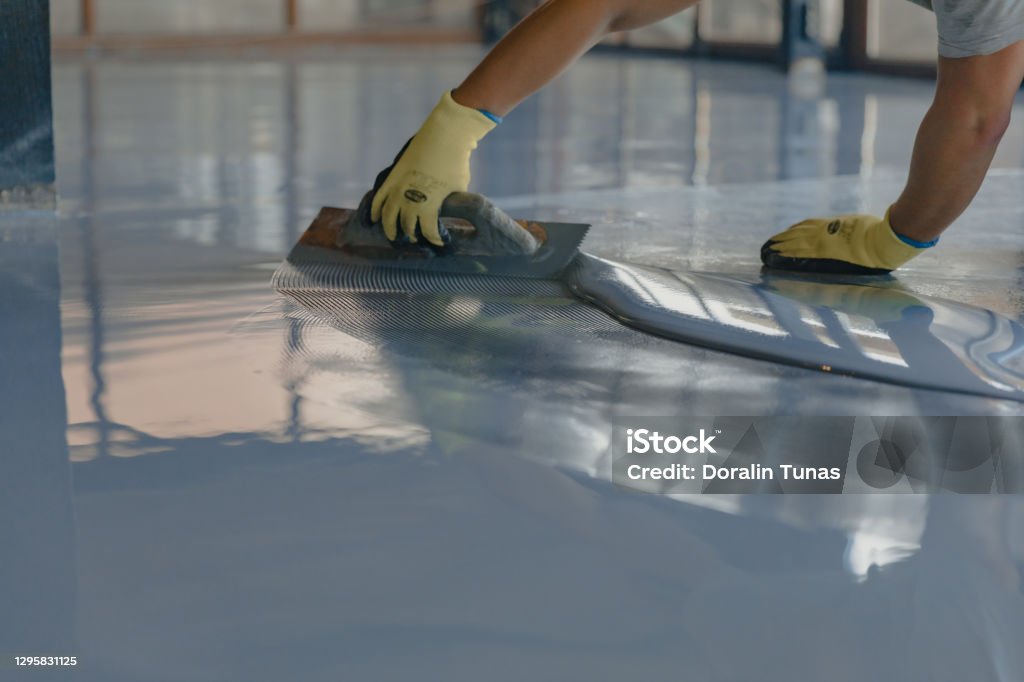
Epoxy is a specialised protective coating used on suitable concrete floors and in industrial or commercial environments. Depending on the system, it can provide resistance to abrasion, chemicals and demanding service conditions.
Correct substrate preparation, moisture assessment, application conditions and curing are important considerations when specifying epoxy flooring.
Polyurethane Coatings
Polyurethane (PU) coatings are selected for projects requiring particular performance characteristics, which may include durability, weather resistance, abrasion resistance or colour retention.
Their suitability depends on the formulation, substrate and exposure conditions. They may be used as part of a protective coating system for selected industrial, commercial and exterior applications.
Waterproofing Coatings
Waterproofing coatings are designed to address water ingress and moisture exposure rather than simply provide decorative colour.
Depending on the system, they may be used on terraces, roofs, basements and other surfaces exposed to water. The coating must be compatible with the substrate and the type of water exposure involved.
Different Types of Paint Based on Their Application
Paint selection also depends on where and how the coating will be used.
Applications
| Typical coating requirements
|
Interior paints
| Decorative finishes for walls and ceilings, with cleanability and durability suited to the space.
|
Exterior paints
| Resistance to weather conditions, including sunlight, rain and temperature changes.
|
Metal coatings
| Adhesion and corrosion protection appropriate to the metal and its exposure.
|
Wood coatings
| Suitable finishes that accommodate the substrate and intended interior or exterior use.
|
Floor coatings
| Resistance to foot traffic, abrasion, chemicals and other loads, as required by the space.
|
Protective infrastructure coatings
| Protection for structures exposed to weather, moisture, chemicals and other demanding conditions.
|
Paint Types by Construction and Infrastructure Project
Different projects have different functional and aesthetic priorities. The following are common coating requirements across building and infrastructure categories.
1. Residential: Interior and exterior decorative coatings suited to the surface and local conditions.
2. Commercial: Decorative finishes with durability for high-traffic spaces.
3. Healthcare: Durable, easy-to-clean finishes suited to facility requirements.
4. Hospitality: Attractive finishes that withstand regular use and maintenance.
5. Industrial: High-performance coatings offering protection against chemicals, abrasion and operational wear.
6. Infrastructure: Protective coatings for resistance to weather, moisture and corrosion.
7. Institutional: Decorative and functional coatings for schools, universities and public buildings.
The best paint types for building projects are determined by the specific requirements of each application, rather than by a single product being suitable for every situation.

Find the Right Coating for Every Project
Understanding the different types of paint makes it easier to match a coating to the surface, environment and performance requirements of a construction or infrastructure project. Decorative paints contribute to the appearance of buildings, while protective and speciality coatings address specific challenges such as corrosion, moisture and abrasion.
Explore The Next Steps
Pick Your Colours – Explore the Birla Opus Prime Colour Catalogue and find the perfect shade for your space.
Browse Products – From interiors to exteriors, enamels to waterproofing, discover our complete range.
Book Painting Services – Get expert end-to-end painting solutions from our own painting service professionals.
Paint Cost Calculator - Use the Birla Opus Paint Cost Calculator to get a quick cost overview for your space
FAQs
1. What are the different types of paint used in construction?
Common types include primer, emulsion, enamel, cement paint, texture paint, epoxy coatings, polyurethane coatings, waterproofing coatings and anti-corrosion coatings. Each serves a different purpose depending on the substrate and project requirements.
2. Which type of paint is best for exterior building surfaces?
Exterior emulsion and other coatings formulated for outdoor use are common options, but the right choice depends on the substrate, weather exposure and required finish. Always check the product specifications before application.
3. What is the difference between decorative paint and protective coating?
Decorative paint primarily enhances a surface's appearance through colour and finish, while protective coatings are designed to address specific exposure or performance requirements. Some products can provide both decorative and protective benefits.
4. How do you choose the right paint for a construction project?
Consider the substrate, environmental exposure, desired appearance, durability, maintenance requirements and product specifications. Proper surface preparation and compatibility between coating layers are also important.
5. What type of paint is used for infrastructure projects?
Infrastructure projects may use anti-corrosion coatings, epoxy, polyurethane, waterproofing systems and other specialised protective coatings. The selection depends on the structure, exposure conditions and specified performance requirements.
Keywords
| Volume
| Frequency
|
different types of paint
| 12,100
| 6
|
types of paint used in construction
| 20
| 2
|
paint types for buildings
| 10
| 1
|
types of paint
| 12,100
| 7
|
best paint types for building projects
| 10
| 2
|
difference between different types of paint
| 10
| 1
|